ISLAMABAD: Pakistan is set to host crucial in-person negotiations between the United States and Iran, positioning the capital at the centre of high-stakes diplomacy as a fragile ceasefire between the two sides shows signs of strain.
The talks follow a two-week truce brokered through Pakistan’s mediation after nearly six weeks of conflict. Prime Minister Shehbaz Sharif confirmed that delegations from both countries will arrive in Islamabad on Friday, with formal negotiations scheduled for Saturday to pursue a “comprehensive and conclusive” agreement.
According to officials, the US delegation will be led by Vice President JD Vance, reflecting Washington’s high-level commitment. The Iranian side will be headed by Foreign Minister Abbas Araghchi and Parliamentary Speaker Bagher Ghalibaf.
A 30-member advance US team has already arrived in Islamabad to review security arrangements, while the government has declared public holidays in the capital and put in place stringent security measures, including restricted access zones.
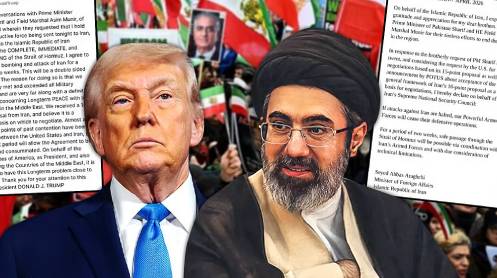
The diplomatic breakthrough follows Pakistan’s role in facilitating a ceasefire based on a 10-point Iranian proposal accepted by Washington as a framework for dialogue. Donald Trump reportedly credited his discussions with Prime Minister Shehbaz Sharif and Field Marshal Asim Munir as instrumental in achieving the truce.
However, the ceasefire remains under pressure. Israeli strikes in Lebanon and renewed military activity across the Gulf have complicated the situation, with Tehran warning it may withdraw from the agreement if violations persist. Disagreements over whether the ceasefire extends to Lebanon and other regional theatres continue to pose challenges.
Iran has insisted on sanctions removal, recognition of its nuclear rights, and compensation for damages, while the US is expected to push for strict limits on Iran’s nuclear programme and regional activities. Control of the Strait of Hormuz also remains a key point of contention.
Despite these hurdles, Pakistan’s mediation efforts have drawn international support from countries including China, Saudi Arabia, Turkiye, and members of the European Union, with many viewing Islamabad’s role as pivotal in preventing further escalation.
Analysts caution that while the talks represent a significant diplomatic opportunity, deep mistrust and fundamental policy differences between Washington and Tehran could complicate efforts to reach a lasting agreement.
Story by Baqir Sajjad Syed